
info@universallab.org
WhatsApp: +41762172997
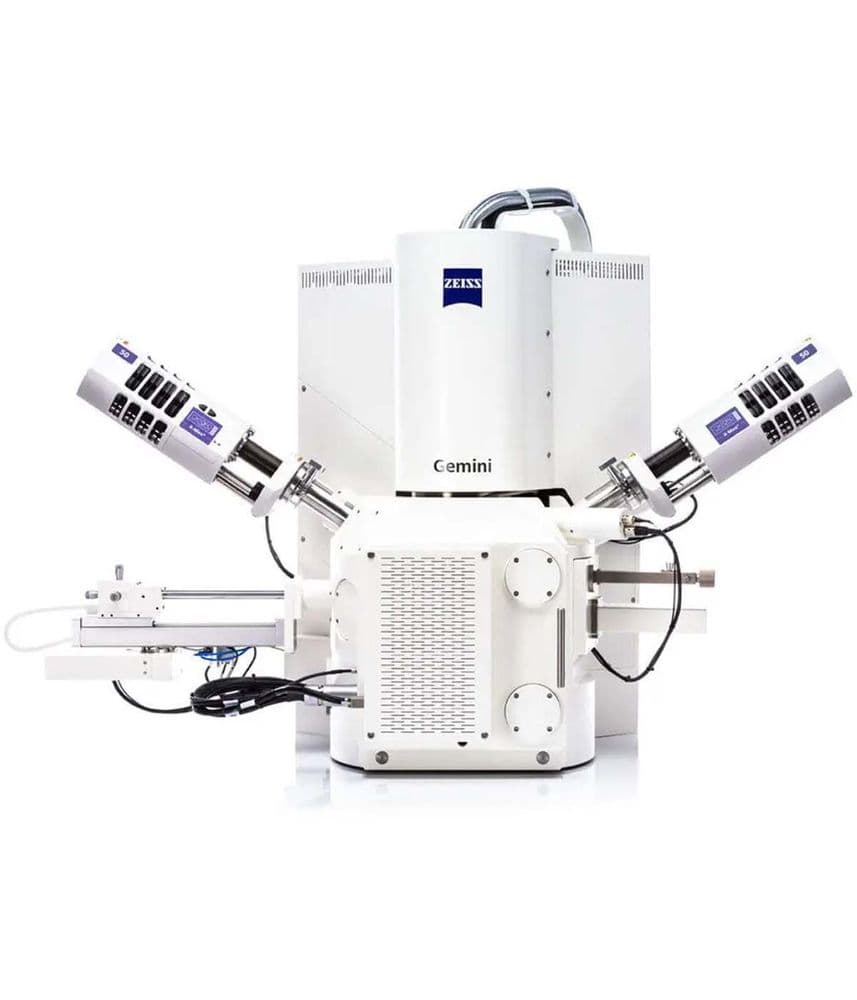
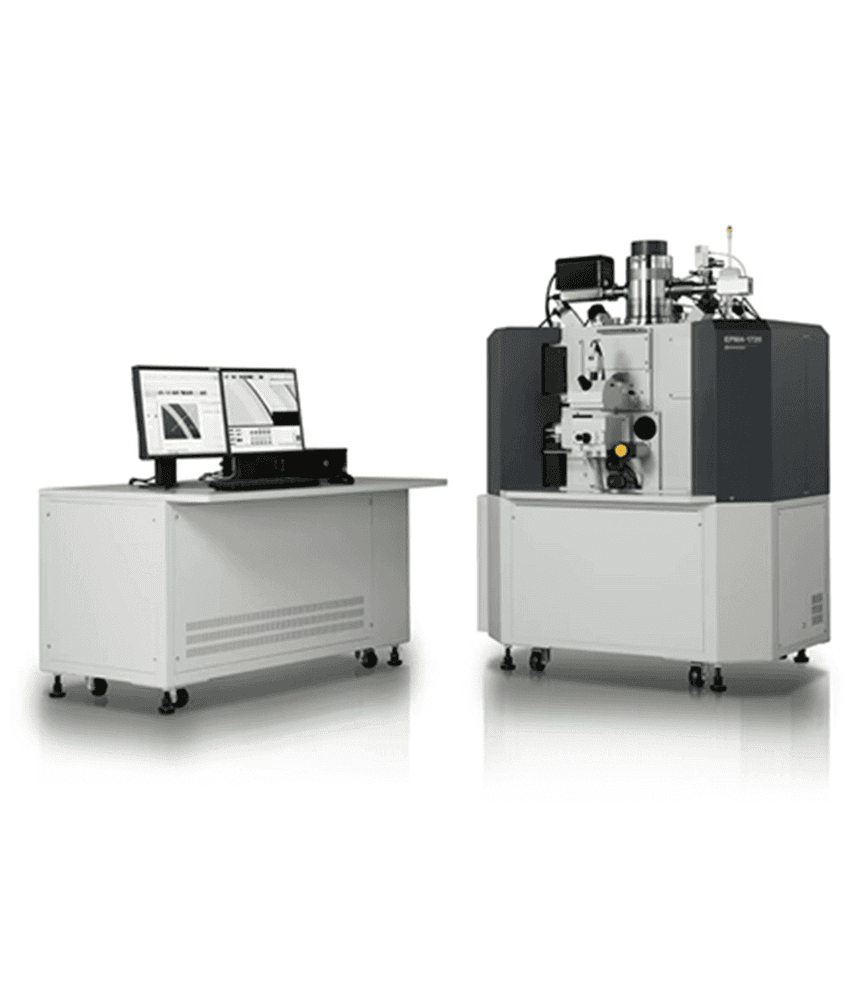
Electron Probe Microanalysis (EPMA)
Variant (SKU)
Please contact us for price quotation
Delivery time: 1 ~ 2 weeks
Electron Probe X-ray Micro Analyzer is developed on the principles of electron optics and X-ray spectroscopy, it performs microscopic analysis of solid materials through the secondary electrons, back-scattered electrons, X-rays and other signals generated by the electron beam on the micro area of the sample, revealing the compositional, morphological and structural information.
Introduction
Introduction
Electron Probe X-ray Micro Analyzer is developed on the principles of electron optics and X-ray spectroscopy, it performs microscopic analysis of solid materials through the secondary electrons, back-scattered electrons, X-rays and other signals generated by the electron beam on the micro area of the sample, revealing the compositional, morphological and structural information.
Instrument Type:
- EPMA-1720;
- JXA-8530F
| Analytical Program | Price (CHF/sample) |
|---|---|
| Qualitative point composition analysis (2 sites) | 80 |
| Line composition scanning | 80 |
| 2D composition mapping | 165 |
| Quantitative analysis | 80 |
Sample Requirements
Embedded specimens
Epoxy resin, bakelite powder, ...
| Shape | Diameter | Height |
|---|---|---|
| Cylindrical | 18-25 mm | ~10 mm |
| Cylindrical | 25 mm or 32 mm | < 15 mm |
Block sample
- Length, width and height 10 × ten × a10mm
- cylinder with a diameter of 25or 32mm and a height of 10mm or 15mm.
Application Case
- Quantitative chemical analysis on the surface of materials at small scales.
- Analysis of individual mineral phases, such as igneous and metamorphic minerals.
- Examination of small or valuable materials, including volcanic glass, meteorites, and archaeological artifacts (e.g., ceramic glazes, tools).
- U-Th dating of minerals like monazite without isotopic ratio measurements.
- Analysis of synthetic materials, including optical wafers, thin films, microcircuits, semiconductors, and superconducting ceramics.
Example Result
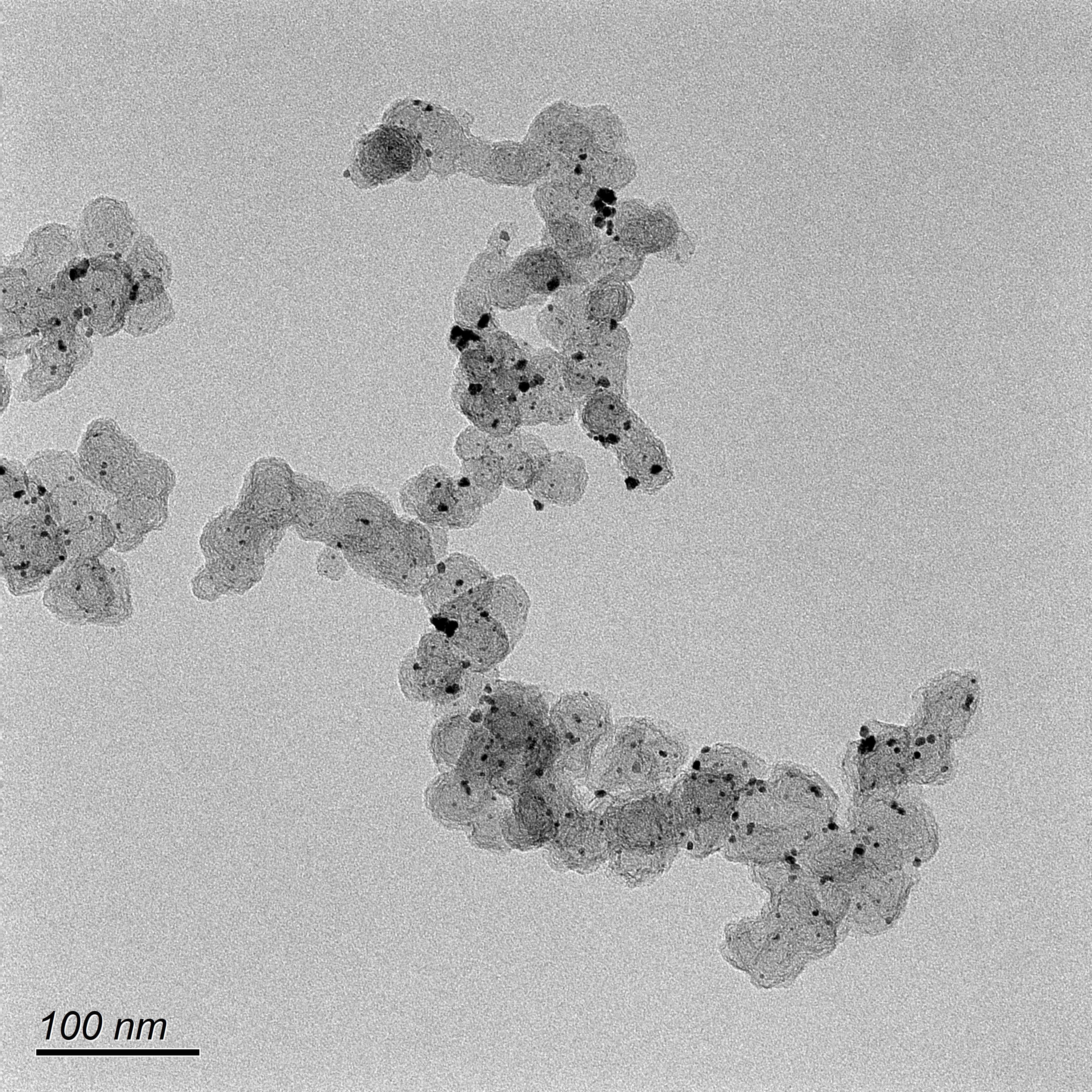
- Caption: EPMA point composition analysis EPMA point composition quantitative analysis

- Caption: EPMA point composition analysisEPMA point composition quantitative analysisCaption: EPMA point composition quantitative analysisApplication 2: EPMA line composition analysis
-
Caption: EPMA line composition analysis
-
Caption: EPMA 2D composition mapping analysism
What our customers are saying
Need precise analysis? Contact us – we'll help you choose the best solution for your needs.

Frequently Asked Questions
What are the main components of XRD?
The main components of X-ray Diffraction (XRD) include an X-ray source (produces X-rays), collimators/slits (control beam shape), sample holder (positions the sample), goniometer (rotates sample and detector), detector (records diffracted X-rays), monochromator (filters unwanted wavelengths), and computer/software (analyzes diffraction patterns for material identification).