
info@universallab.org
WhatsApp: +41762172997
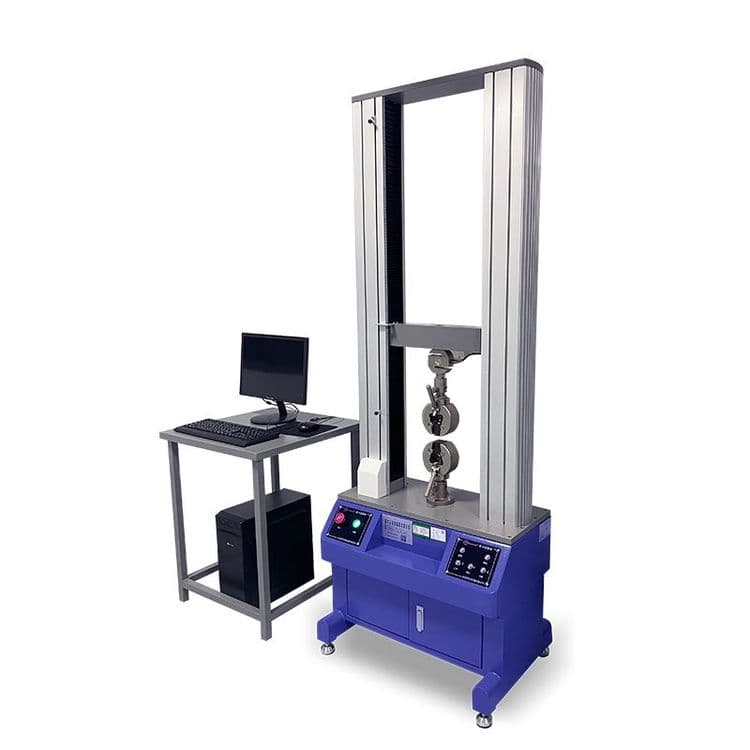
Price may vary based on selected options
Delivery time: 1 ~ 2 weeks

Tensile testing is a fundamental method used to assess the mechanical properties of materials when subjected to uniaxial tension. Conducted at room temperature, this test simulates typical conditions under which materials are used, providing valuable insights into their performance.

Tensile testing involves applying a uniaxial load to a standardized specimen, typically in a dog-bone shape, until it deforms or fractures. The testing machine measures the applied load and elongation, creating a stress-strain curve that illustrates the material's behavior. Key points on this curve, such as the yield point and ultimate tensile strength, allow for the determination of essential mechanical properties like tensile strength and ductility, providing valuable insights into the material's performance in real-world applications.
The tensile test is used to evaluate the mechanical properties of materials, such as tensile strength, yield strength, elongation, and reduction of area, to ensure the reliability and safety of materials in practical applications.
The preparation time for samples depends on the type of material and the required standards. Typically, the preparation process can take anywhere from a few hours to several days.
The accuracy and reliability of test results are ensured by following standardized testing procedures, using calibrated equipment, and conducting multiple repeat tests.
Commonly used standards include ASTM E8 and ISO 6892, which specify the shape, size, and testing methods for samples.


Caption: Stress-Strain Curve.
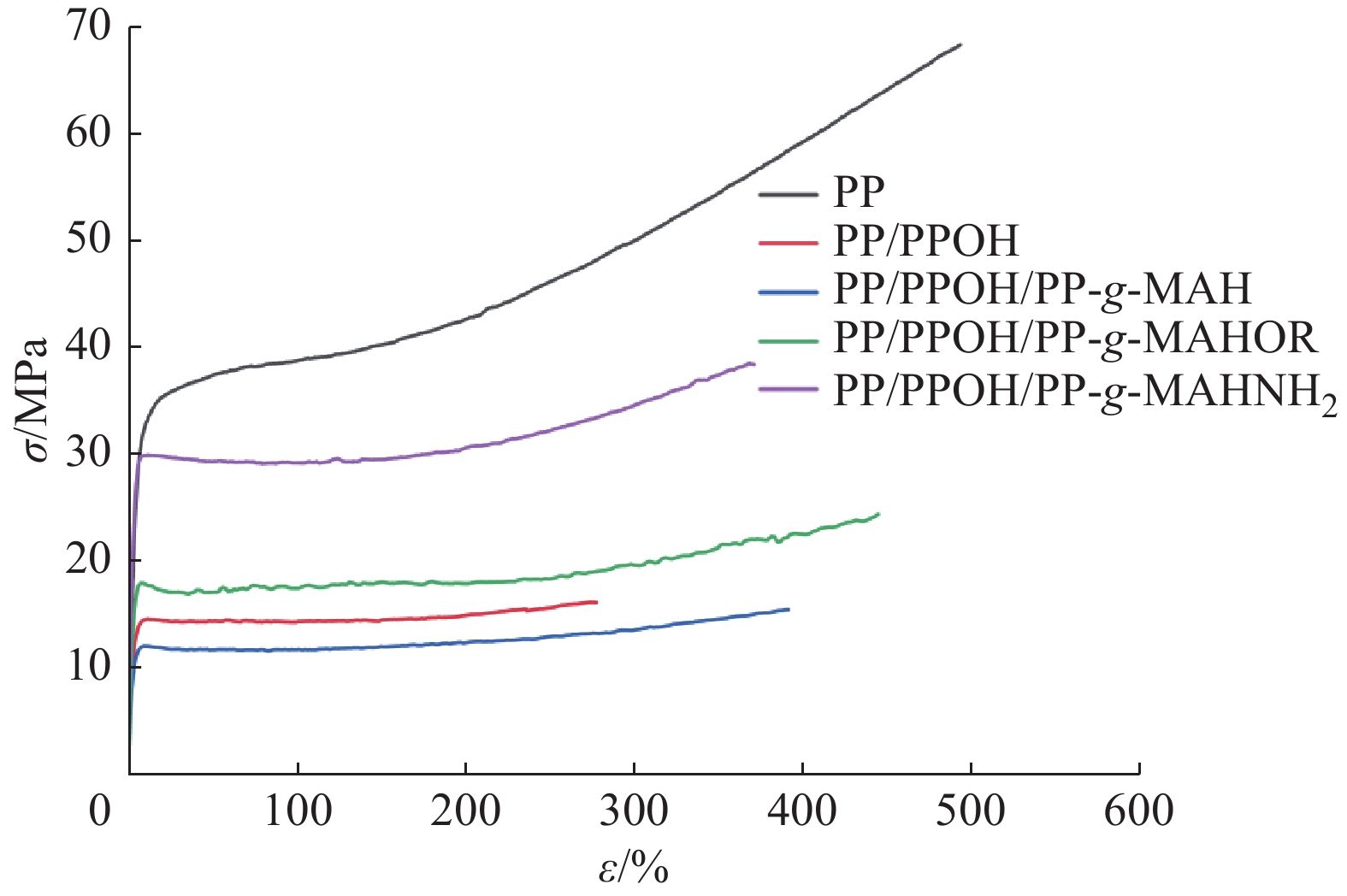

Room temperature tensile test is a common material mechanics experiment used to test the tensile properties of materials. It is usually carried out at room temperature by placing a standardized material sample on a stretching machine and gradually applying tensile force until the material breaks. During the testing process, a series of mechanical performance parameters, such as Young's modulus, yield strength, fracture strength, and ductility, can be obtained by measuring the deformation and stress situation of the material sample. These parameters can help engineers evaluate the reliability and applicability of materials, as well as determine the maximum force required in practical applications and the safety performance range of materials.