
info@universallab.org
WhatsApp: +41762172997
Price may vary based on selected options
Delivery time: 1 ~ 2 weeks

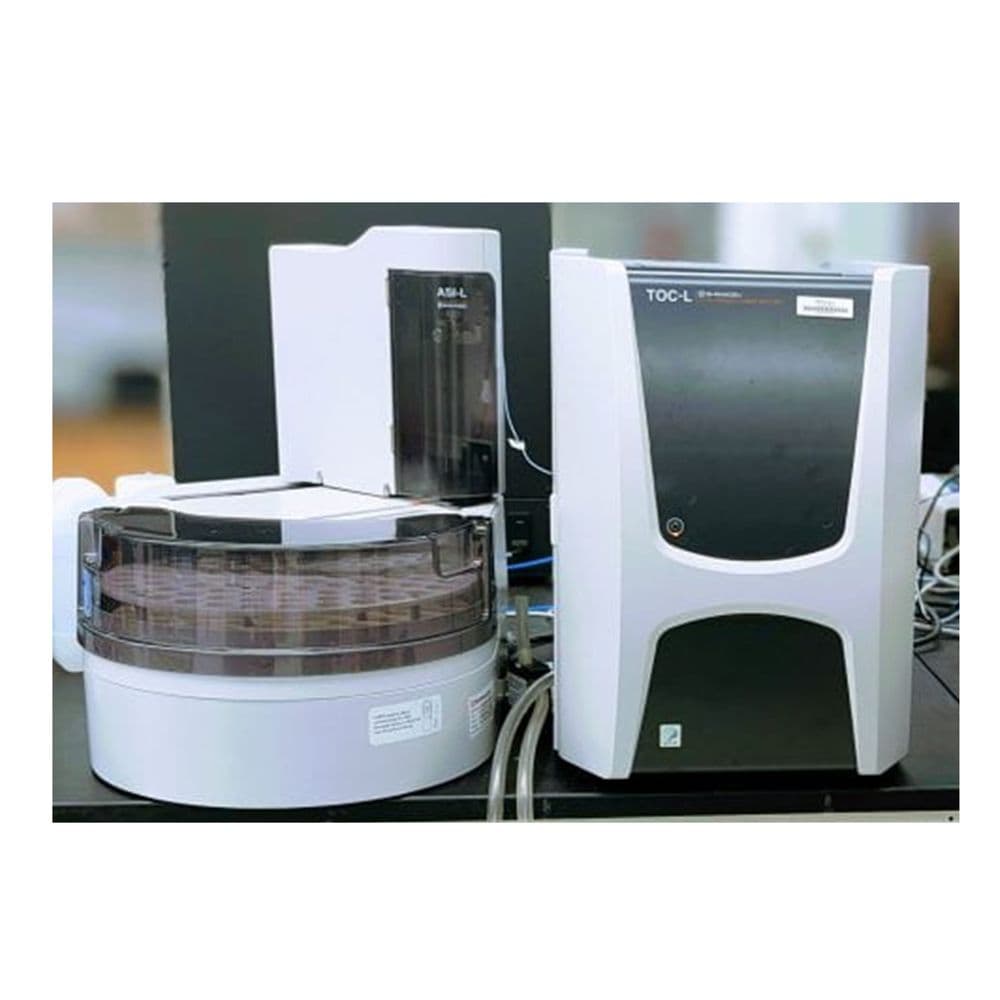
Total Organic Carbon (TOC) analysis is a key analytical technique used to quantify the amount of organic carbon present in a sample. It plays a critical role in evaluating water quality, monitoring contamination, and assessing cleanliness in various industrial and research settings. Unlike general carbon analysis, TOC specifically targets carbon bound in organic molecules, which can indicate the presence of pollutants, residues, or impurities in aqueous and solid samples. TOC testing is widely used in industries such as pharmaceuticals, environmental monitoring, electronics, food and beverage, and advanced materials.

TOC analysis is based on the oxidation of organic carbon compounds to carbon dioxide (CO₂), which is then quantitatively measured.There are two modes to choose from:
The NPOC mode is a widely used TOC measurement approach, especially for water samples with low TOC concentrations, such as pharmaceutical water and ultrapure water.
Typically down to 5 ppb for ultrapure water using NPOC method; higher for solid samples.
Yes. Solid TOC analysis uses high-temperature combustion with pre-weighed powdered samples.
TOC includes both volatile and non-volatile organics. NPOC (non-purgeable organic carbon) only measures organics that remain after purging with gas.
Store in clean, airtight containers. Acidify to pH < 2 if measuring NPOC; refrigerate if not tested immediately.

*Test Procedure TOC analysis applies to a variety of sample types and application scenarios:
| Feature | TC (Total Carbon) | TOC (Total Organic Carbon) |
|---|---|---|
| Definition | Sum of all carbon in the sample (organic + inorganic) | Only the carbon bound in organic compounds |
| Includes | Inorganic carbon (carbonates, bicarbonates) + organics | Excludes inorganic carbon (IC) |
| Calculation method | Direct measurement of all carbon | TOC = TC − IC or direct NPOC method |
| Application focus | Overall carbon content (e.g., soil, sediments) | Water quality, contamination monitoring, cleaning validation |
| Analytical significance | Less specific for contamination assessment | Highly relevant for evaluating organic contamination |
| Measurement mode | Measured via combustion or oxidation | Requires additional IC removal or purge step |
| Use in regulatory standards | Used in environmental total carbon reporting | Standard in pharmaceutical and ultrapure water testing |
Example 1: TOC in Pharmaceutical Water (NPOC Method) A sample of pharmaceutical-grade purified water was analyzed using the non-purgeable organic carbon (NPOC) method. The measured TOC concentration was 6.3 ppb, well within the regulatory limit of 500 ppb for purified water as defined by pharmacopeial standards (e.g., USP, EP). This indicates high water purity and absence of significant organic contamination.
Example 2: TOC in Sediment Sample (Combustion Method) A dried and homogenized sediment sample from an environmental site was tested using high-temperature combustion. The total organic carbon content was determined to be 3.45% (w/w). This level of organic content reflects moderate biological activity in the soil and the presence of natural or anthropogenic organic matter.
Example 3: TOC on Cleaned Stainless Steel Surface (Cleaning Validation) As part of a cleaning validation study in a pharmaceutical production line, rinse water from a stainless steel reactor was analyzed. TOC levels were below 25 ppb, meeting the cleanliness acceptance criteria for equipment surfaces. This confirmed the effectiveness of the CIP (Clean-in-Place) protocol used.

To ensure accuracy and consistency, we recommend:

Our TOC testing service generally includes:
Total Organic Carbon (TOC) analysis is a key analytical technique used to quantify the amount of organic carbon present in a sample. It plays a critical role in evaluating water quality, monitoring contamination, and assessing cleanliness in various industrial and research settings.
Unlike general carbon analysis, TOC specifically targets carbon bound in organic molecules, which can indicate the presence of pollutants, residues, or impurities in aqueous and solid samples.
TOC testing is widely used in industries such as pharmaceuticals, environmental monitoring, electronics, food and beverage, and advanced materials.